Traditional Limewash vs Modern Mineral Paints for Period Properties in Suffolk: Pros and Cons Explained

Limewash vs Modern Mineral Paints for Period Properties in Suffolk: Why Traditional Limewash Remains the Favoured Choice
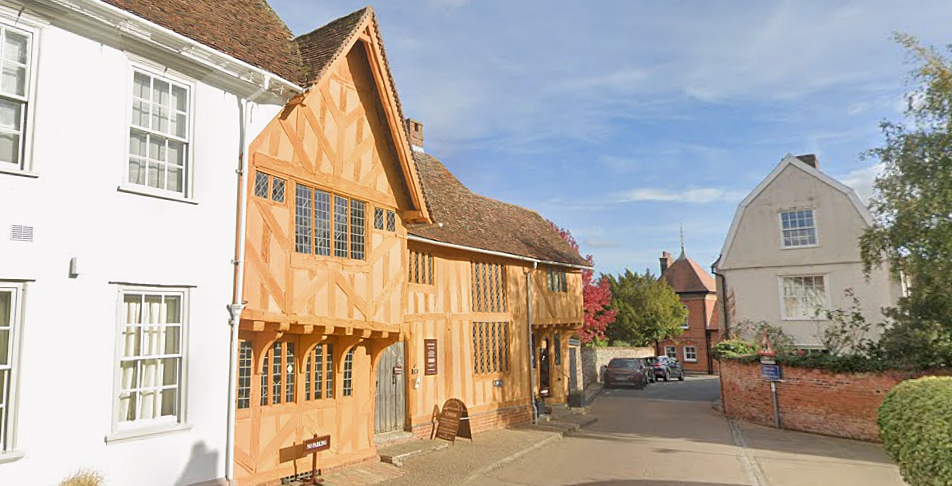
The Importance of Preserving Suffolk's Architectural Heritage
Owners of listed buildings and period homes in Sudbury, Lavenham, Long Melford, Hadleigh, and across Suffolk are often faced with a key decision: should they use traditional limewash or modern mineral paints?
Although both finishes are breathable and suitable for older buildings, traditional limewash remains the most authentic, sympathetic, and conservation-approved option for historic properties. It protects historic fabric, enhances visual character, and is consistently favoured by conservation officers and planning authorities.
In this guide, Dan Binks of DMB Decorating explains why limewash generally continues to be the preferred finish for period buildings in Suffolk.
This article follows our earlier guide: 🔗Authentic Limewash and Historic Paints in Suffolk
Looking for a specialist decorator? 🔗www.dmbdecorating.co.uk/contact
Understanding Traditional Limewash
Limewash is one of Britain’s oldest architectural finishes. Made from slaked lime, water, and natural pigments, it has protected Suffolk buildings for centuries.
Unlike modern paints, limewash becomes part of the surface through carbonation, bonding directly with masonry, lime plaster, and timber substrates.
It is traditionally used on:
- Timber-framed buildings
- Lime-rendered walls
- Historic plaster
- Solid masonry
- Internal and external period surfaces
Understanding Modern Mineral Paints
Modern mineral paints are based on silicate or mineral binders. They are designed to be vapour permeable and are often marketed as a "heritage-friendly" alternative to limewash.
While mineral paints can be suitable in certain situations, they remain modern products and do not replicate the performance, appearance, or historic compatibility of traditional limewash.
They are typically used where reduced maintenance is prioritised over full authenticity.
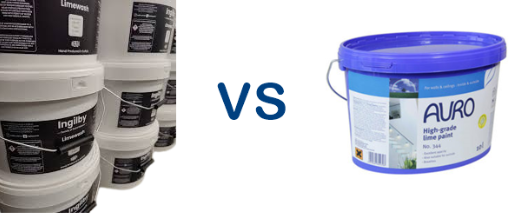
Why Traditional Limewash Is Superior for Period Buildings
Maximum Breathability and Moisture Control
Limewash offers the highest level of vapour permeability of any traditional finish.
It allows walls and timber frames to release moisture freely, preventing:
- Trapped damp
- Timber decay
- Salt crystallisation
- Plaster failure
- Masonry deterioration
For Suffolk’s timber-framed and solid-wall properties, unrestricted breathability is essential for long-term structural health.
Better Protection for Historic Walls and Timber
Because limewash moves with the building and does not form a rigid film, it protects fragile historic materials.
It supports:
- Healthy timber frames
- Stable lime plaster
- Durable masonry
- Reduced cracking
Mineral paints, while breathable, still create a surface layer that can restrict movement over time.
Favoured by Conservation Officers and Planning Authorities
Local planning authorities and conservation officers in Suffolk consistently prefer traditional limewash on listed buildings and in conservation areas.
Its use:
- Supports listed building consent applications
- Demonstrates best-practice conservation
- Preserves historic authenticity
- Reduces risk of enforcement issues
In many cases, limewash is the only fully acceptable finish for sensitive historic properties.
Authentic Period Appearance
Limewash produces a distinctive soft, flat matt finish with natural tonal variation.
This creates the characteristic appearance seen in:
- Lavenham’s medieval cottages
- Sudbury’s historic townhouses
- Georgian properties in Bury St Edmunds
- Rural farmhouses across Suffolk
Modern coatings cannot reproduce this depth, texture, and subtle ageing process.
Natural Antimicrobial and Mould-Resistant Properties
Limewash is highly alkaline, giving it strong antimicrobial qualities.
It naturally:
- Inhibits mould growth
- Reduces bacteria
- Improves indoor air quality
- Controls condensation
This makes it particularly suitable for bathrooms, kitchens, and poorly ventilated period properties.
Environmentally Responsible Material
Limewash is one of the most sustainable finishes available.
It contains:
- No plastics
- Minimal VOCs
- Biodegradable ingredients
- Low embodied carbon
During curing, limewash reabsorbs carbon dioxide, reducing environmental impact.
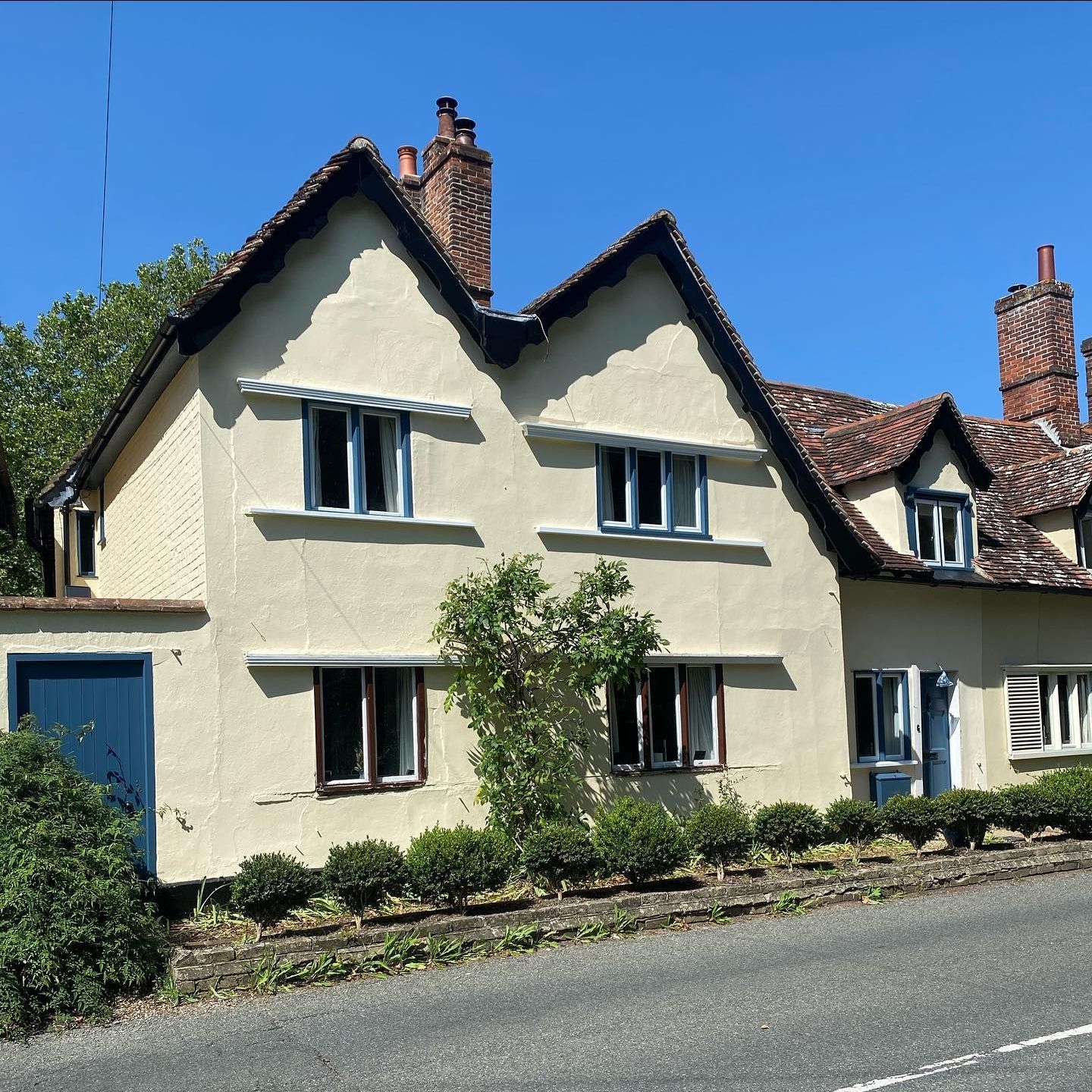
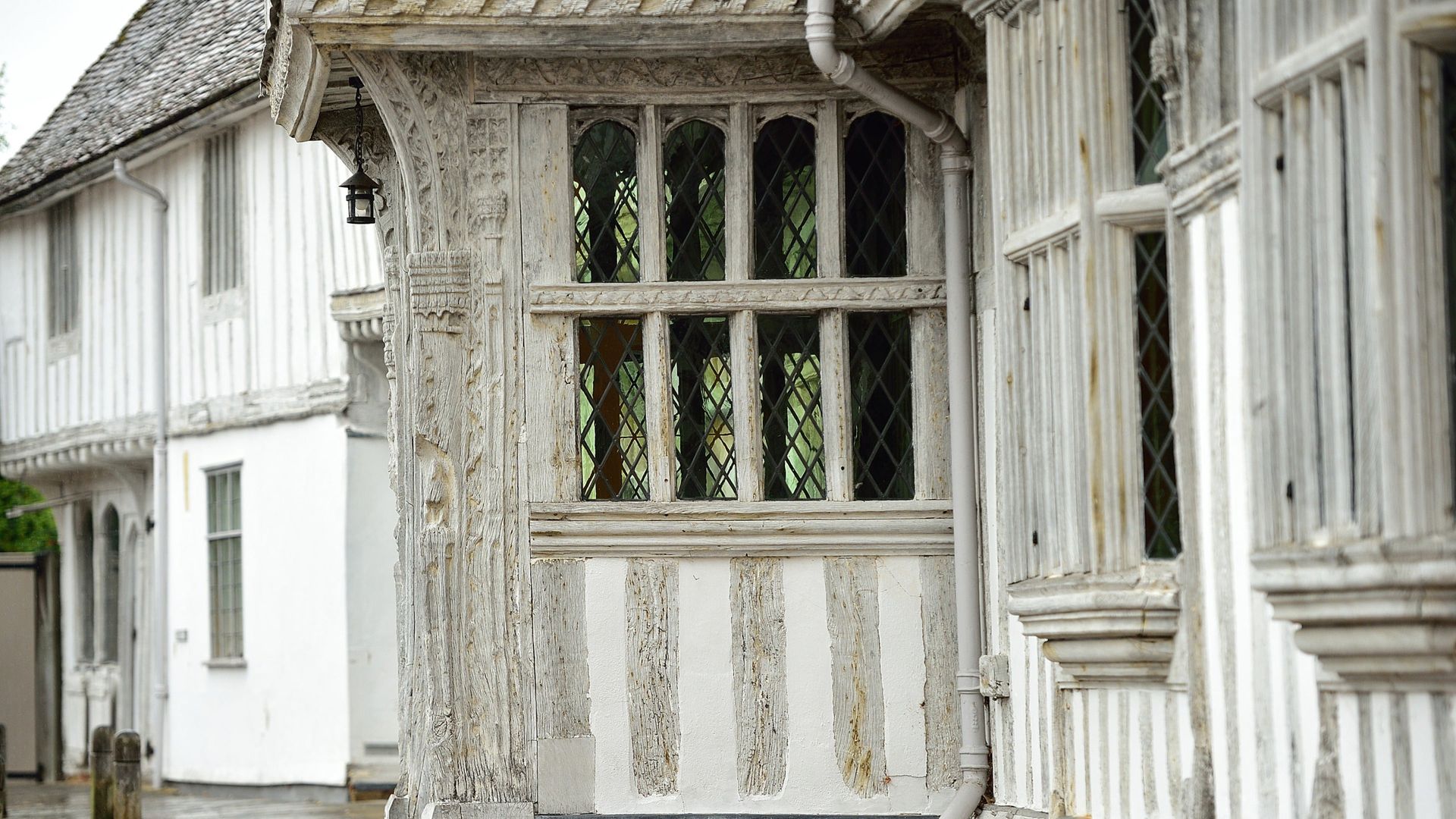
Professional Limewashed Exterior Walls In Suffolk. Limewash vs Modern Alternatives & limewash v mineral paint
For The Best Listed Building Painting Services Near Sudbury Contact DMB Painting & Decorating.
Specialists In Traditional Authentic Limewash For Period Properties in Suffolk. Limewash vs Modern Alternatives & limewash v mineral paint.
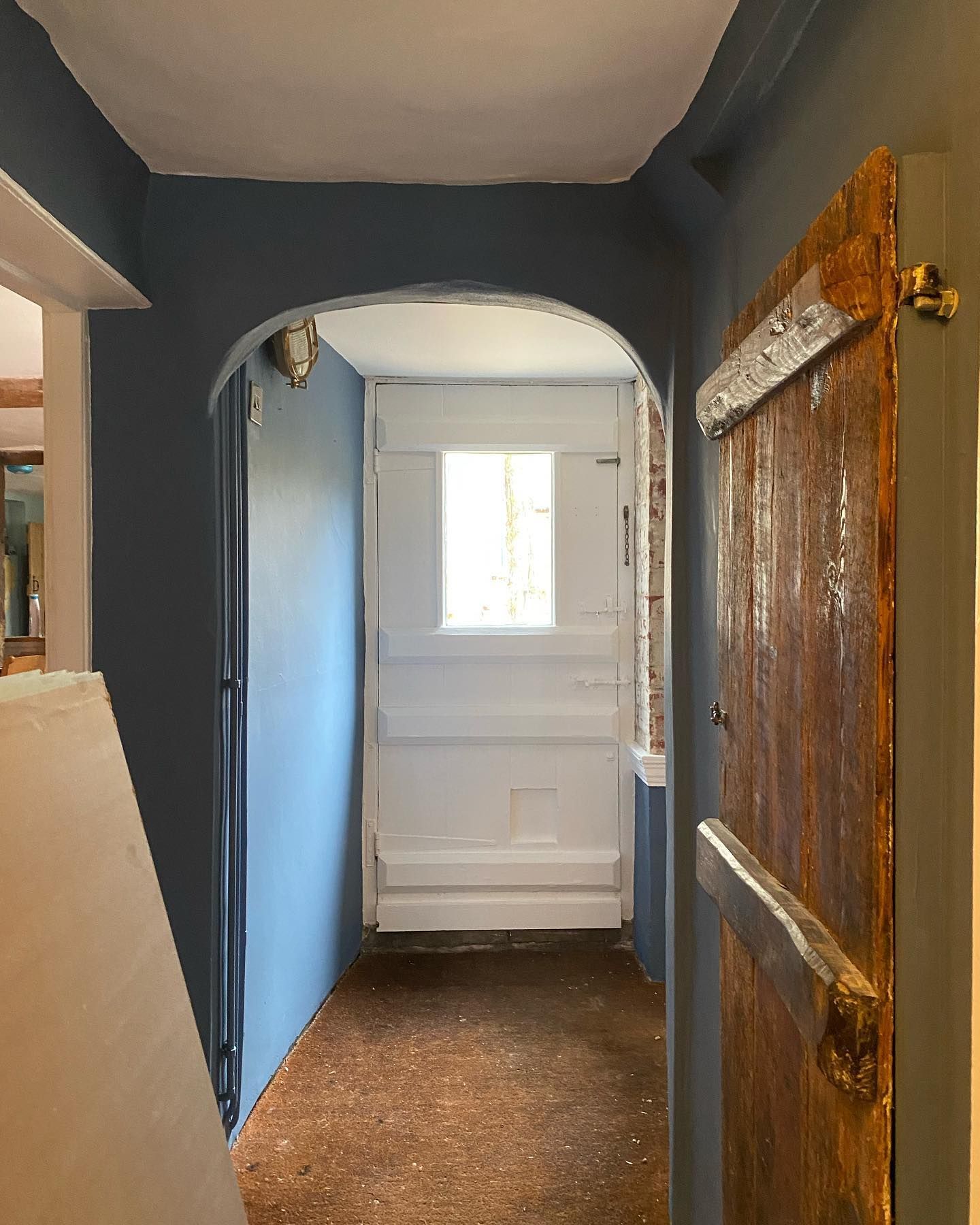
Professional Limewashed Interior Walls In Suffolk
For The Best Listed Building Painting Services Near Sudbury Contact DMB Painting & Decorating.
Specialists In Traditional Authentic Limewash For Period Properties in Suffolk.
Limewash vs Modern Alternatives & limewash v mineral paint
Addressing the Limitations of Limewash
While limewash offers unrivalled benefits, it is important to understand its limitations.
Lower Abrasion Resistance
Limewash is softer than modern coatings and can:
- Scuff easily
- Mark in high-traffic areas
- Wear through repeated contact
This is a natural characteristic of traditional materials and reflects their sacrificial protective role.
More Challenging Touch-Ups
Because limewash weathers naturally, localised repairs rarely blend invisibly.
Professional practice usually recommends repainting complete walls or elevations to maintain visual consistency.
Regular Maintenance Is Part of Conservation
External limewash requires periodic renewal, typically every few years.
However, this maintenance is straightforward and avoids costly structural repairs caused by trapped moisture.
Why Mineral Paints Remain a Secondary Option
Limewash alternatives like modern mineral paints can be suitable where:
- Increased durability is essential
- Surfaces are subject to heavy wear
- Maintenance access is limited
However, they remain a compromise solution.
They offer reduced breathability compared to limewash, less authentic appearance, and lower conservation value.
For sensitive historic buildings, they are best regarded as a secondary option rather than a primary finish.
Internal and External Applications: Why Limewash Leads
Internal Limewash
Ideal for:
- Historic plaster
- Bedrooms and living spaces
- Bathrooms with ventilation
- Traditional interiors
Provides superior air quality and period character.
External Limewash
Ideal for:
- Timber frames
- Lime render
- Conservation-led projects
- Listed façades
Delivers maximum breathability and authentic ageing.
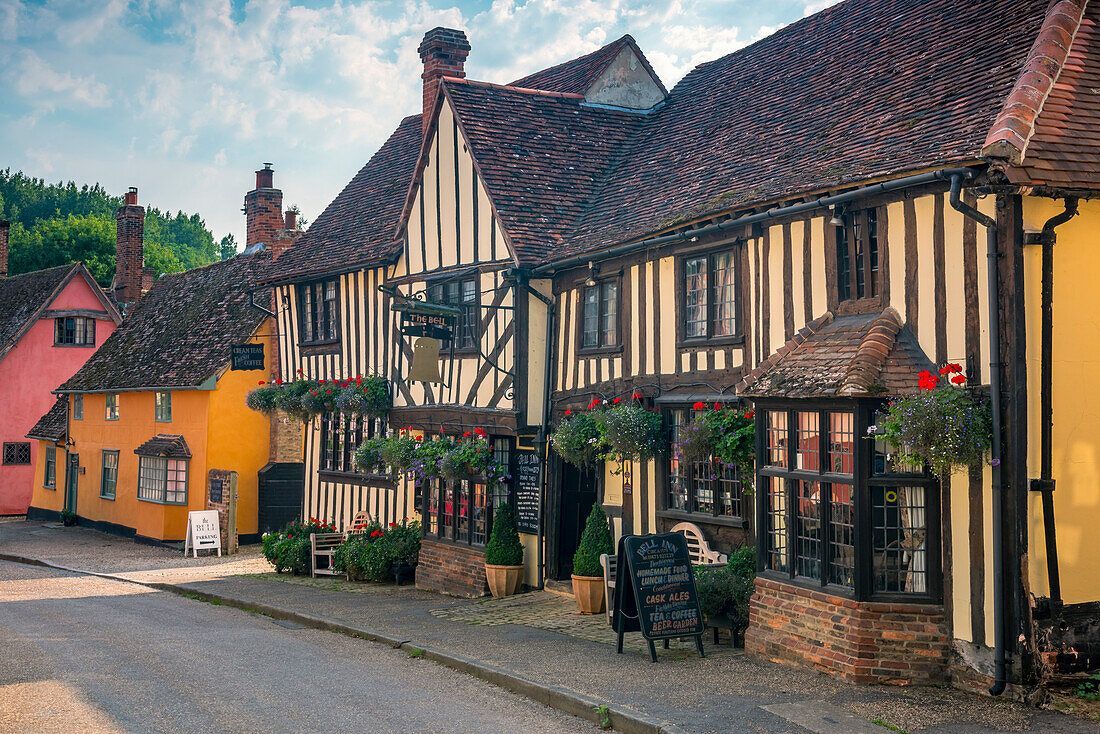
Professional Limewashed Interior Walls In Suffolk or Limewash alternatives.
For The Best Listed Building Painting Services Near Sudbury Contact DMB Painting & Decorating.
Specialists In Traditional Authentic Limewash For Period Properties in Suffolk.
Limewash vs Modern Alternatives & limewash v mineral paint.
Limewash alternatives.
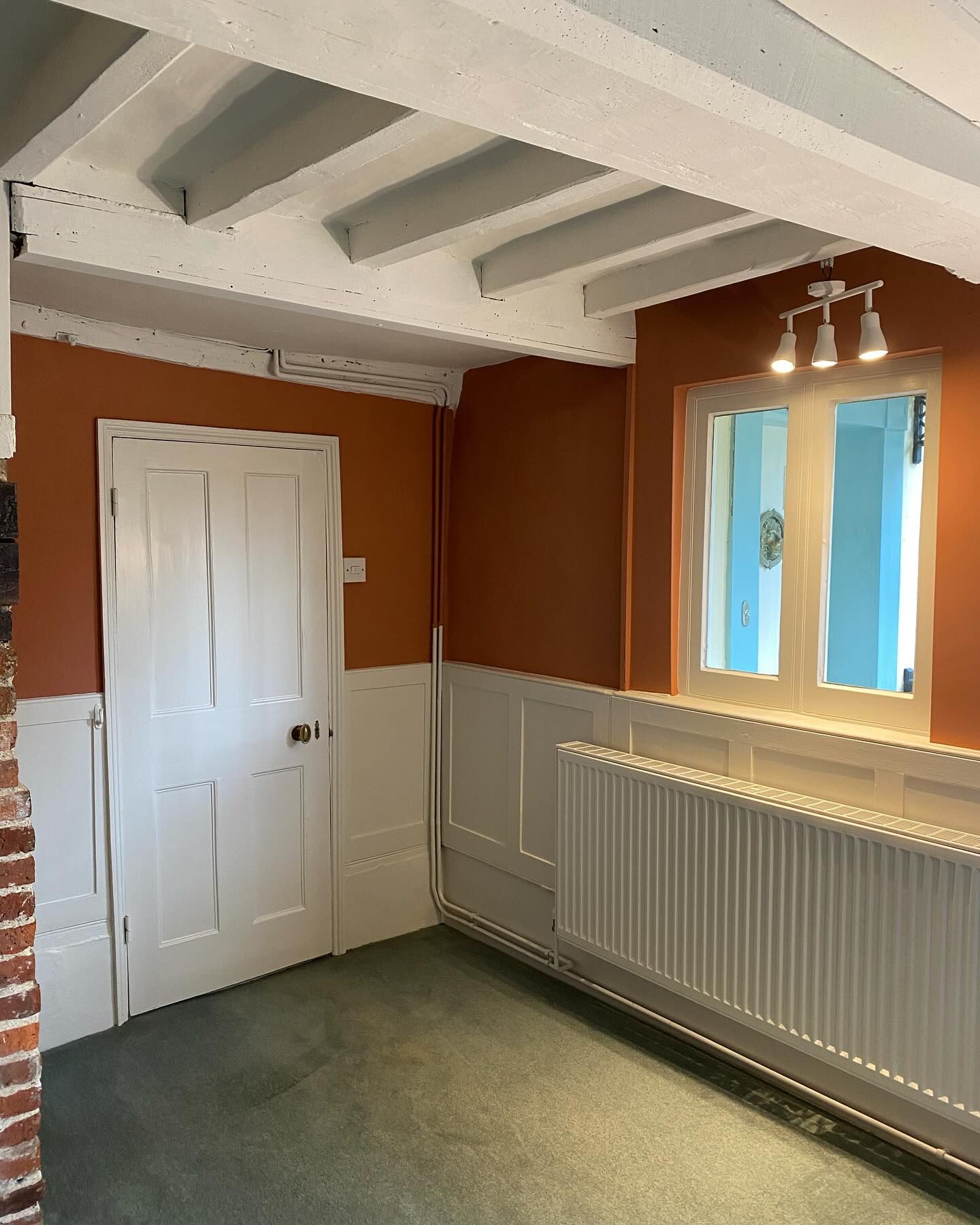
Professional Limewashed Interior Walls In Suffolk
Limewash vs Modern Alternatives & limewash v mineral paint.
For The Best Listed Building Painting Services Near Sudbury Contact DMB Painting & Decorating.
Specialists In Traditional Authentic Limewash For Period Properties in Suffolk.
Choosing Limewash for Your Suffolk Property
Traditional limewash remains the best choice for most period and listed buildings in Suffolk.
It supports:
- Structural health
- Regulatory compliance
- Authentic appearance
- Environmental responsibility
- Long-term value
Many property owners are now returning to limewash as appreciation for historic accuracy continues to grow.
Why Professional Limewash Application Matters
Successful limewashing depends on specialist knowledge.
A heritage decorator understands:
- Substrate compatibility
- Moisture behaviour
- Traditional preparation methods
- Correct curing conditions
- Conservation standards
Incorrect application can undermine even the best materials.
DMB Decorating: Traditional Limewash Specialists in Suffolk
Dan Binks of DMB Decorating provides professional limewashing and heritage decorating services throughout Suffolk, including:
- Sudbury
- Lavenham
- Long Melford
- Bury St Edmunds
- Framlingham
- Hadleigh
- Clare
- Woodbridge
- Aldeburgh
Services focus on authentic limewash, traditional finishes, and conservation-led decorating.
Every project is completed with respect for historic fabric and long-term performance.
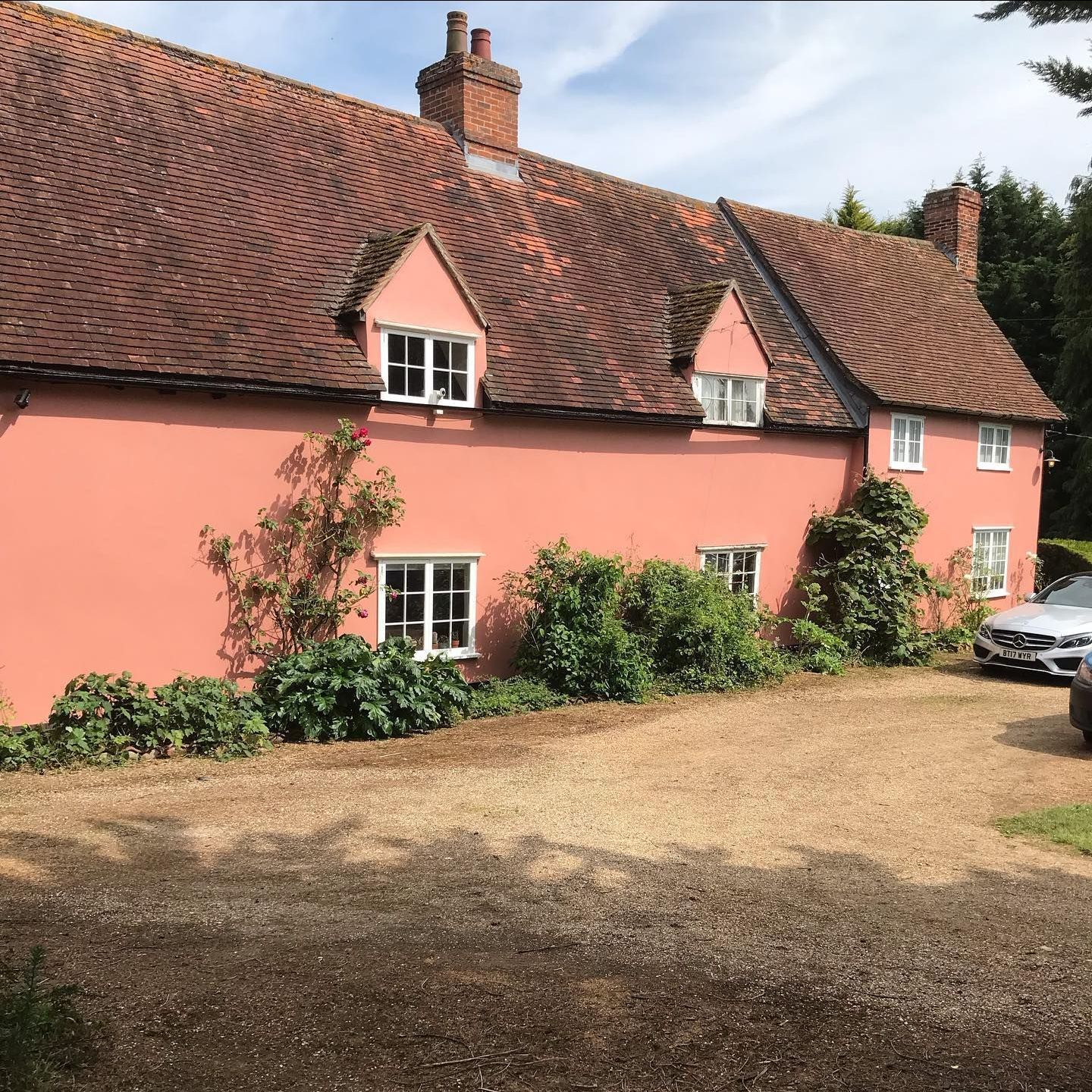
Professional Limewashed Interior Walls In Suffolk
Limewash vs Modern Alternatives & limewash v mineral paint.
For The Best Listed Building Painting Services Near Sudbury Contact DMB Painting & Decorating.
Specialists In Traditional Authentic Limewash For Period Properties in Suffolk.
Professional Limewashed Interior Walls In Suffolk
Limewash vs Modern Alternatives & limewash v mineral paint.
For The Best Listed Building Painting Services Near Sudbury Contact DMB Painting & Decorating.
Specialists In Traditional Authentic Limewash For Period Properties in Suffolk.
Conclusion
While modern mineral paints offer certain practical advantages, traditional limewash remains unrivalled for period and listed buildings in Suffolk.
Its superior breathability, protection of historic materials, regulatory acceptance, and authentic appearance make it the preferred choice for responsible conservation.
For property owners who value long-term building health and heritage integrity, limewash remains the correct solution.
For expert traditional limewash services in Suffolk, Contact:
Contact Page: www.dmbdecorating.co.uk/contact
Phone: 07772 527408
Email: Binks-10@hotmail.com
Related Reading on Limewash
For a detailed overview of historic paints and colour traditions, read:
Common Questions About Limewash vs Mineral Paints
Traditional Limewash vs Mineral Paint: Which Is More Breathable?
Limewash is the most breathable and safest finish for historic walls.
Mineral paint is best viewed as a compromise where durability is prioritised over maximum moisture movement.
Summary
- Limewash offers unrestricted vapour movement.
- Mineral paint is breathable, but less so.
- Limewash best supports traditional building fabric
- Planning authorities favour limewash for this reason
- If long-term building health is your priority, traditional limewash remains the correct choice.
How Breathable Are Mineral Paints?
Modern mineral paints (such as silicate-based systems) are designed to be vapour permeable and are far more breathable than acrylic or vinyl paints.
However, they still:
- Form a bonded surface layer
- Create a more rigid coating
- Restrict vapour movement compared to limewash
While they allow moisture to escape, they do so at a slower rate.
In buildings with existing damp issues, poor ventilation, or fragile historic materials, this reduced permeability can be significant over time.
which works best for damp walls Limewash or modern mineral paints?
For traditional and period buildings, traditional limewash is the most effective and safest finish for damp walls. While modern mineral paints are marketed as “breathable,” they cannot match limewash’s ability to manage moisture in historic structures.
Summary
- Limewash dries walls faster
- Mineral paint slows evaporation
- Limewash resists mould naturally
- Mineral paint is a compromise solution
- Limewash best protects historic structures
If damp management is your priority, traditional limewash remains the superior choice.
Does limewash last as long as modern mineral paint?
In simple terms, no—limewash does not last as long as modern mineral paint in purely cosmetic terms, but it lasts longer in terms of protecting the building itself.
For period and listed properties, this distinction is critical.
Summary
- Mineral paint lasts longer cosmetically
- Limewash protects longer structurally
- Limewash is sacrificial by design
- Mineral paint prioritises surface durability
- Limewash supports building longevity
If your priority is preserving your property rather than minimising repainting, traditional limewash remains the correct choice.
Which is cheaper long term: limewash or mineral paint?
When comparing traditional limewash versus modern mineral paint for period and listed buildings, the answer depends on how you define “cost”.
If you consider total lifecycle value - protection of historic fabric, avoidance of expensive repairs, and overall building health - authentic limewash is usually more cost-effective in the long term, even though the initial and periodic re-decoration costs can be higher.
Recommendation
For period and listed buildings in Suffolk:
If you prioritise long-term building health and cost efficiency, traditional limewash is typically the better long-term choice.
It’s not just about repainting frequency—it’s about protecting the structure and avoiding preventable damage.
Mineral paint may be cheaper between repaints, but often carries higher long-term risks, especially on vulnerable period walls.